Building a Player Persona for a Coop experience
When thinking about Player Personas for Hidalgo, creating one for the single-player experience felt relatively straightforward. The real challenge appeared when I turned my attention to the game’s cooperative mode, one of its main selling points. A coop game isn’t just the players interacting with the game, it is also a shared experience that they create together. But how do you build a Player Persona when part of the experience comes from the relationship between players?
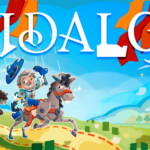
Context
Just when I started working on Hidalgo, plans for the Coop mode were put into motion. In fact, one of my first tasks was to expand Sancho’s actions so that the second player had more actions to do.
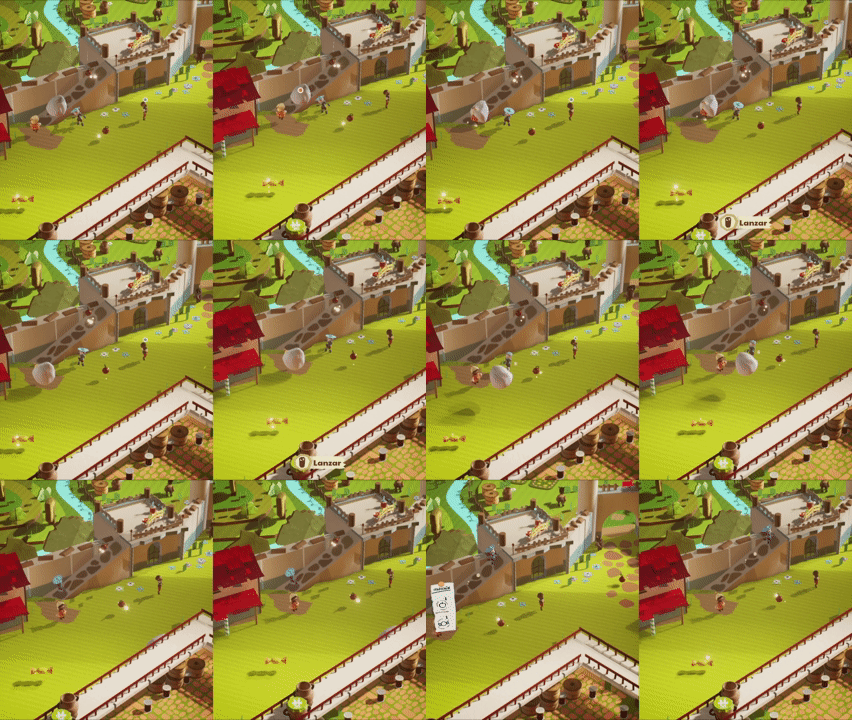
At the time I didn’t realize it, but I started thinking subconsciously about the kind of things a player that would pick Sancho as their character would like to do. I thought of them as people that enjoyed the fantasy of a strong man, capable of moving anything; so that’s what I did. I made Sancho able to pick up heavier objects that Quixote couldn’t break with his sword.
But also, when I started implementing this new asset to block the player’s way and make use of Sancho’s skills, a picture started to form in my head. We knew that one of our main targets were family households that wanted to learn about Don Quixote’s adventures, so naturally I imagined a parent and their child together on their sofa playing and helping each other out by using their character’s unique skills. I imagined my Player Persona on action.
However, it would still take a while for me to actually start calling it like that.
Meeting my Player Persona
I’ve always enjoyed going to game dev events. That’s where I took the first step to my game developer career, and I’ve always been esctatic when attending one. I will always remember the first time going to an event as one of the studios that were presenting their game. I was so nervous, but very excited. A lot of people, videogame enthusiasts that were very active in the indie sphere, came to the booth to play and share their feedbacks about the game, and I was happy to hear.
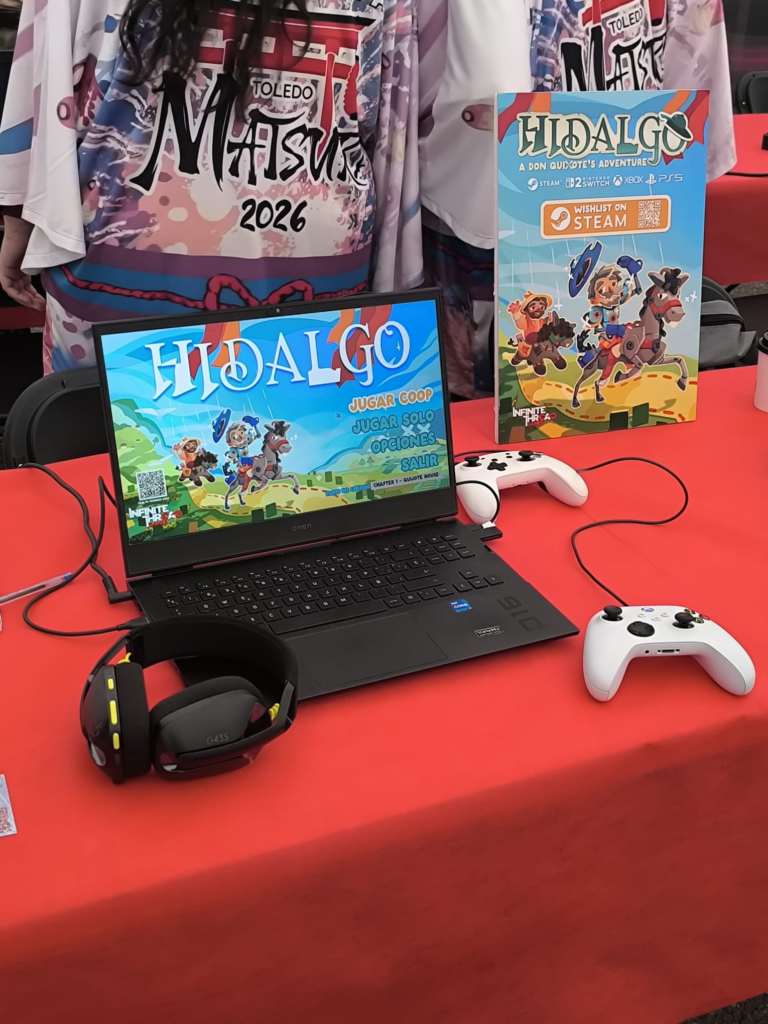
However, I wasn’t satisfied. I felt like something was missing. I didn’t know what it was, until I attended a fair called Toledo Matsuri, near my hometown. This fair was anime-themed, but they had a small indie zone. It was a nice change of pace, since it wasn’t as busy as other bigger events. Plus, there was a major difference: the public.
There were some indie fanatics there too. But the people that came to the indie zone were mostly either teenagers enjoying the event with their friends or families that were spending their afternoon together. And the differences in their experience compared to the proficient players that attended big and specialized events were huge.
There were of course a difference in skills, having to explain more often the controls and general objectives (which were noted down as elements to improve). But also, the cooperation felt quite distinct too. While proficient players would focus on their side of the screen, unexperienced players would sometimes stop their gameplay to watch their colleague play, either to help or just to observe.
This was relevant in a specific puzzle of the first chapter. This puzzle has already proven to be quite confusing to play, and it is currently on the top of my list of things to improve about chapter 1. However, there was a parent that was watching his two kids play, and instead of just turning and asking me like many players have already done, the children turned to their parent and ask him instead. So it was actually the three of them that came up with the solution on their own.
That’s when I saw it: not just the family I had imagined months before, but the relationship I was actually designing for. They weren’t simply taking turns solving a puzzle. They were teaching each other, discussing ideas and enjoying the process together.
A Coop Player Persona is more than two players
One thing I hadn’t realized before was that a coop game doesn’t really have a single player. It has a relationship between players.
Designing for a parent figure wasn’t enough. Designing for a child wasn’t enough either. What mattered was the dynamic between them: who takes initiative, who asks for help, who enjoys solving puzzles, who prefers experimenting, who gets frustrated first. My Player Persona wasn’t an individual anymore. It was a household.
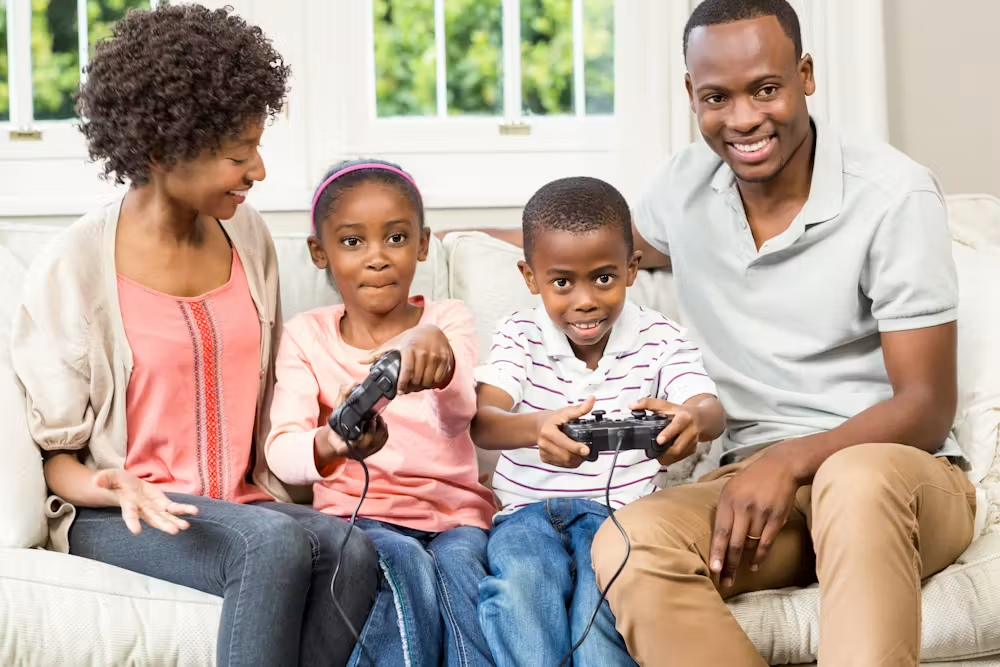
The key was in the player interactions with each other, not only with the game. Behaviours like constantly speaking, explain mechanics to each other, celebrating together, etc. became much more valuable than metrics like completion time or number of deaths.
I even noticed that parents with little or no gaming experience rarely disengaged. Even when they weren’t holding a controller, they stayed involved: celebrating their children’s successes, helping resolve disagreements, or suggesting ideas whenever they got stuck. Some even told us they were looking forward to playing alongside them once the game was released, even if they admit they weren’t interested in gaming in general.
From this point on, I made sure to have this family in mind whenever I had to design new content. We have to take into account that Hidalgo is a singleplayer-first game, so the focus wasn’t on Coop from a development standpoint. However, to work around that, I prioritized creating scenarios where both characters were needed simultaneously instead of one at a time.
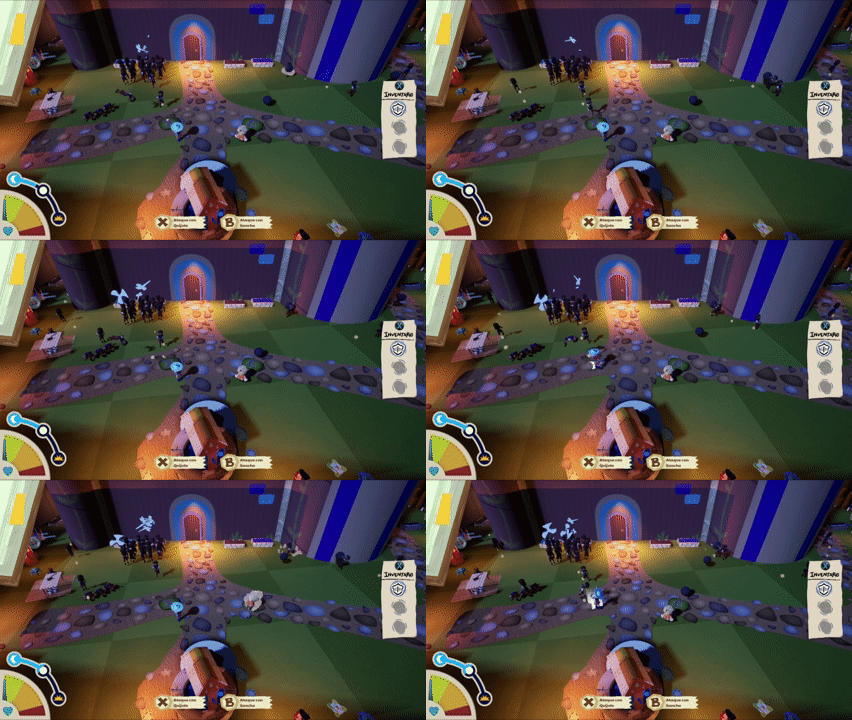
One example was the carpet puzzle at the beginning of Chapter 2. Instead of asking one player to wait while the other completed their task, both players had to coordinate their actions to solve the puzzle together. The goal wasn’t simply to keep both players busy. It was to spark a conversation between them by giving each character unique abilities that became meaningful when combined.
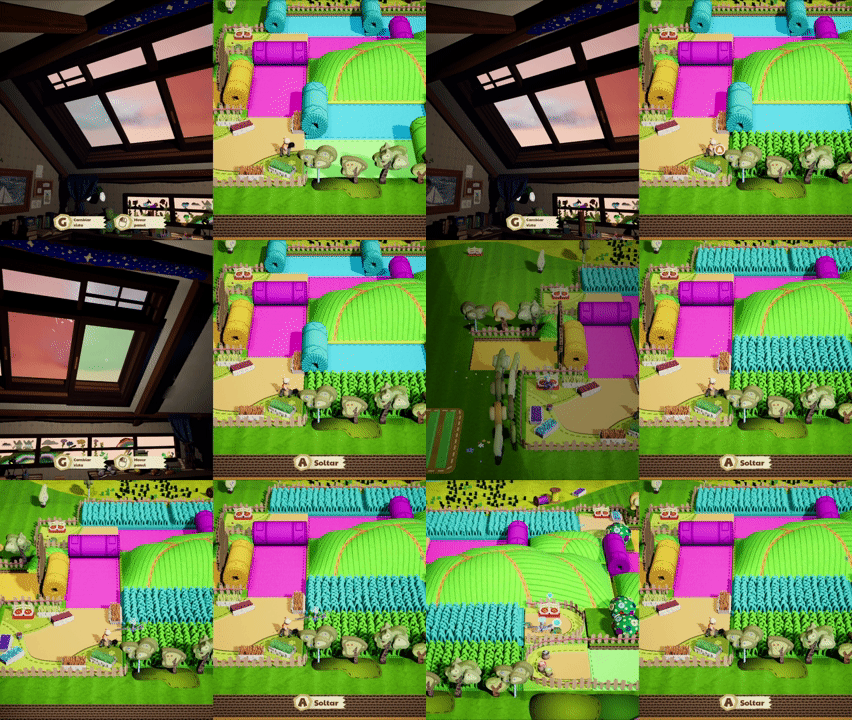
This greatly impacted my decision-making, making it much easier. I could make early decisions based on how my players interact with the game, resulting in confident and more efficient decision-making in early stages of development; as well as the development of new features for existing systems like the Dynamic Camera System, which helped less experienced players focus on the elements that mattered without requiring full control of the camera.
Even the narrative was influenced by this. In Hidalgo, aside from Don Quixote’s antics, there’s a story about the family that are playing with the puppets. We wanted this family to be relatable to our players, so when defining the personality and characteristics of both the children and their mom, I based them off gen-alpha kids and millenial/boomer generation respectively.
Looking back
When I started Hidalgo, I was a complete newbie. I was lucky to not also participate in a project of this scale, but also to do so under the mentorship of an experienced Game Designer. But there were so many things that I wished I did differently, and one of them was to have defined earlier my Player Persona.
There are many decision that I took that would have been completely different if I had thought of the father and his two kids. And while I try to improvise solutions that help cover them, I know that they are just patches.
But indie development can be like that. You are treading an unknown path that few people even attempt to step onto. You plant your feet on what you think is the best path, and when you realize that you made a mistake, you just keep going trying to make the best out of it.
I wish I could have done a formal research where we interviewed many people from many different profiles to build a Player Persona out of them, with their own User Stories that I could share with the team to align their vision with mine. But I didn’t. And that’s why I’m so grateful that I met that wonderful family.
I didn’t build a Player Persona by filling a template or writing demographics on a document. I built it by watching real people play together until I stopped seeing “players” and started seeing relationships.
And I think that’s what makes building Player Personas for coop games different. You’re not designing for two or more individual persons. You’re designing for the moments your players create, together.
Summary
- Problem: Designing the coop experience around two separate players did not fully account for how families communicated, shared responsibilities, or supported each other while playing
- Approach: I observed families and less experienced players during public playtests, identified recurring social behaviours
- Key Insight: A Player Persona for coop games should describe the relationship between players, not only a group of players
- Design Principles I Took From This:
- Coop design should create interaction, not simply keep both players occupied
- Player-specific abilities become more meaningful when they encourage communication and mutual dependence
- Player Personas should include differences in experience, confidence, initiative, and problem-solving styles
- The people surrounding the active players can also become part of the play experience
- Key Takeaways:
- For coop games, the relationship between players is part of the user experience
- Real player behaviour is more valuable than assumptions based only on demographics
- Players communication between each other is a powerful cualitative variable to observe
- A clear Player Persona can improve decision-making and align different disciplines around the same intended experience
- Defining the target experience early helps integrate accessibility and cooperation from the project conceptualization
Disclosure: Project is owned by Infinite Thread Games. Images and videos used with authorization for profesional portfolio.